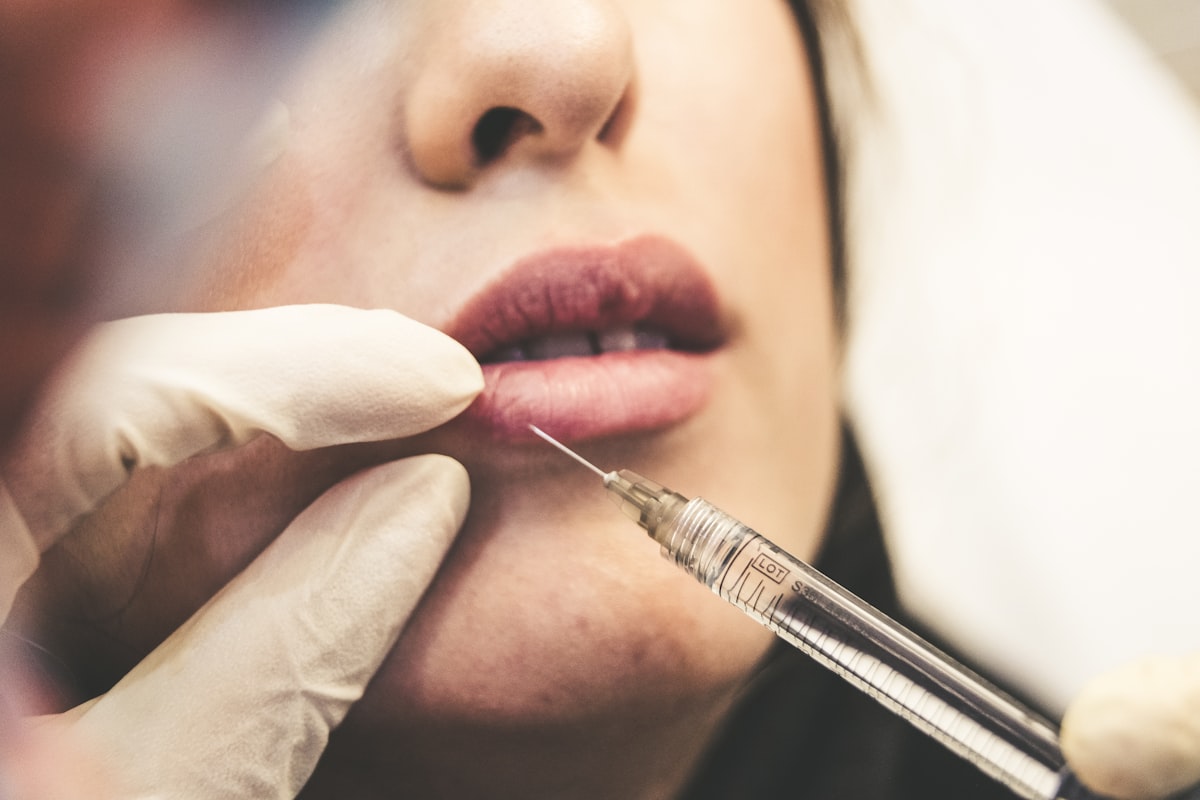
Cheek dimples are small dents that appear when some people smile. They form where a strand of the cheek muscle is attached to the underside of the skin, so the skin is pulled in as the muscle moves. Some people who were not born with dimples ask whether they can be created. Dimple creation surgery, also called dimpleplasty, makes that attachment with a small operation done from inside the mouth. This guide explains how it works, who it suits, how recovery usually goes, and the questions to ask before you decide.
The short answer
Dimpleplasty creates a small attachment between the cheek muscle and the underside of the skin, so a dimple shows when you smile.
It is done through a small cut inside the cheek, so there is no scar on the face. It is usually a short day procedure under local anaesthesia.
The new dimple often looks deep and may show at rest for the first few weeks. It usually softens over about two to three months.
The main risks are infection, uneven dimples, and the dimple fading or being too deep, which may need a second procedure.
It is a cosmetic choice, not a medical need. Take time to decide, and see the surgeon in person first.
How a dimple is created
The surgeon marks the position of the dimple with you sitting up and smiling, usually on a line down from the outer corner of the eye and across from the corner of the mouth. The inside of the cheek is numbed. Through a small cut on the inner lining of the cheek, a little tissue may be removed, and a dissolvable stitch is passed to link the underside of the skin to the muscle beneath. When the stitch is tied, a small dent appears on the skin. Over the following weeks, healing creates a scar-like attachment inside the cheek that holds the dimple after the stitch dissolves.
Anaesthesia: Usually local anaesthetic, sometimes with mild sedation.
Where the cut is: Inside the mouth, on the cheek lining; no scar on the face.
Time taken: Usually under an hour for both cheeks.
Stitches: Dissolvable, inside the mouth.
Going home: Usually the same day.
Typical time off a desk job: A few days.
These are typical ranges. Your surgeon will give you a plan for your own face and work.

Who is a good candidate
Adults in good general health who would like a dimple on one or both cheeks.
People who do not smoke, or who will stop around the time of surgery, because smoking slows healing.
People with healthy teeth and gums, as an active mouth infection increases the risk of infection in the cheek.
People who understand that the final dimple is meant to be seen mainly when smiling, and that it cannot be fine-tuned exactly.
Tell the surgeon about diabetes, any blood-thinning medicines such as aspirin, a history of poor wound healing or keloids, and any planned dental work. People with very full cheeks may find a dimple less visible, and people with very thin faces may find it more obvious.
Recovery, week by week
First two days: mild swelling and soreness inside the cheek. Cold packs on the outside and simple painkillers advised by the clinic help. Eat soft, cool food.
First week: rinse the mouth with the prescribed mouthwash after meals and brush gently, keeping the brush away from the stitch. Avoid very hot, spicy, crunchy or sour food, and avoid using a straw. Most people return to desk work within a few days.
Weeks one to three: the stitches dissolve. Avoid pressing or massaging the dimple unless your surgeon asks you to. Ask before any dental treatment.
First six to eight weeks: the dimple usually looks deeper than it will finally be and may show even at rest.
About two to three months: the dimple softens and settles, and is seen mainly when you smile.
Risks to discuss
Most people have only temporary swelling and soreness. Other risks include:
Infection inside the cheek, which shows as increasing pain or swelling after the first few days, redness, a bad taste, discharge or fever.
Uneven dimples, a dimple in a slightly different place from what you expected, or one that is too deep.
The dimple fading, if the attachment does not hold.
Bleeding or bruising, and, rarely, injury to a small nerve branch or the saliva duct in the cheek.
A stitch that can be felt, or a firm lump inside the cheek, usually settling with time.
A large study of dimple creation surgery published in the journal Archives of Plastic Surgery in 2020 found that a small proportion of patients needed a second procedure to adjust or reverse the dimple. Ask your surgeon how revisions would be handled.
Contact the clinic the same day if you have fever, increasing pain or swelling after day three, pus, or a bad taste in the mouth.
Questions worth asking at your consultation
Where exactly would the dimple sit on my face, and how will you mark it?
One dimple or two, and will they match?
Will it be done under local anaesthesia?
How long will the dimple look deep before it settles?
What happens if it fades, is too deep, or I change my mind?
Which follow-up visits are included?
Planning your consultation
Bring a list of medicines, and tell the surgeon about any dental problems or planned dental work. A photograph of the kind of dimple you like can help the discussion, but your own face shape decides what is possible. Read more about dimple creation at Sparsh, or see How to choose a plastic surgeon in Nashik.
Dr. Sachin B. Wagh is a plastic surgeon with D.N.B. and M.Ch. in plastic surgery and more than 15 years in practice. At Sparsh Clinic, the first visit is a private consultation: examination, medical screening, photographs with your consent, and a direct recommendation.
To book, call Sparsh Plastic & Cosmetic Surgery Clinic on +91-253-2319098 or use the contact form at sparshnashik.com. The clinic is at Vaijayanti Apartments, opposite IMRT (KTHM College), Gangapur Road, Nashik 422002. OPD is Monday to Saturday, 8:00 am to 8:00 pm.
This guide is general information for people considering a consultation. It is not a diagnosis or a promise of a result. Recovery times are typical ranges; your own plan is confirmed only after examination. Individual healing varies.