A face lift (rhytidectomy) is an operation to tighten loose skin and the deeper tissues of the lower face and neck. With age, the skin loses elasticity, the fat pads of the cheeks drop, and jowls and loose neck skin appear. A face lift lifts and repositions these tissues and removes extra skin, giving a fresher, more rested look. It does not stop ageing, and it does not change fine lines or skin texture on its own. This guide explains who a face lift suits, what the operation involves, recovery, risks, and the non-surgical options people often compare it with.
The short answer
A face lift treats sagging of the lower face and neck: jowls, deep folds and loose neck skin. It is not a treatment for fine wrinkles or pigmentation.
It is major surgery, usually done under general anaesthetic, often with an overnight stay. It takes about 2 to 3 hours.
Most people need about 2 to 4 weeks to recover, with bruising and swelling for at least 2 weeks. Final results can take 6 to 9 months to settle.
Results are long-lasting but not permanent. The face continues to age after surgery.
Non-surgical options, such as thread lifts, fillers and skin-tightening treatments, give smaller, shorter-lasting changes and suit people with milder sagging.
Who is a good candidate?
Adults, usually from their 40s onwards, with sagging cheeks, jowls or loose neck skin.
Generally healthy, with conditions such as diabetes or high blood pressure well controlled.
Non-smokers, or people willing to stop smoking for several weeks before and after surgery, because smoking greatly increases the risk of wound-healing problems.
People with realistic expectations who want to look refreshed rather than like a different person.
A face lift may not be advised for people with uncontrolled medical problems, a tendency to bleeding, or expectations that surgery cannot meet.
Types of face lift
Full face lift (SMAS lift). What it treats: Jowls, sagging cheeks and loose neck. What to know: Lifts the deeper layer under the skin as well as the skin. Cuts run in front of and behind the ear, partly in the hairline.
Mini face lift. What it treats: Early jowls and mild sagging. What to know: Shorter cuts and a shorter recovery, but a smaller and less lasting effect.
Neck lift. What it treats: Loose neck skin and bands. What to know: Often combined with a face lift. A small cut under the chin may be used.
Combined procedures. What it treats: Upper face, eyelids or volume loss. What to know: A brow lift, eyelid surgery or fat transfer may be added, depending on the face.

The operation
At the consultation the surgeon examines the face and neck, discusses your goals, reviews your medical history and medicines, and explains where the scars will be. Blood-thinning medicines and some supplements may need to be stopped beforehand, but only on your doctor's advice. On the day, the operation is usually done under general anaesthetic, sometimes under local anaesthetic with sedation. The surgeon makes cuts around the ears and into the hairline, lifts and tightens the deeper tissue, removes extra skin and closes the wounds. A small drain and a supportive bandage may be used for a day or so.
Recovery
First days: swelling, bruising, tightness and numbness of the cheeks and ears are expected. Keep your head raised, rest, and take the pain relief advised.
About 1 to 2 weeks: stitches are removed, usually between 7 and 14 days. Bruising is usually visible for at least 2 weeks.
2 to 4 weeks: most people feel ready to go back to work and social activities. Avoid strenuous exercise, saunas and massage for at least 2 weeks, or longer if advised.
Driving: not for a number of days, until you can turn your head comfortably and are off strong pain relief.
Months: numbness and stiffness ease gradually. Scars fade over 6 to 12 months, and the final result is seen after 6 to 9 months.
Risks to discuss
Common, usually temporary effects include swelling, bruising, numbness, stiffness of the face and low mood for a few days. Possible complications include a collection of blood under the skin (haematoma), which may need a return to theatre, infection, thick or visible scars, hair loss around the scars, a change in the hairline or sideburns, uneven results, skin healing problems (more likely in smokers), and injury to a facial nerve causing weakness of part of the face, which is usually temporary. General risks of surgery include bleeding, blood clots and reactions to the anaesthetic. Results cannot be guaranteed.
Face lift or a non-surgical option?
Thread lift: dissolvable threads lift the skin a little, with a short recovery. The effect is smaller and lasts months to a couple of years. Read our thread lift guide.
Fillers and fat transfer: restore lost volume in the cheeks and folds, but do not remove loose skin.
Skin tightening and resurfacing: improve skin quality and mild laxity, often over several sessions.
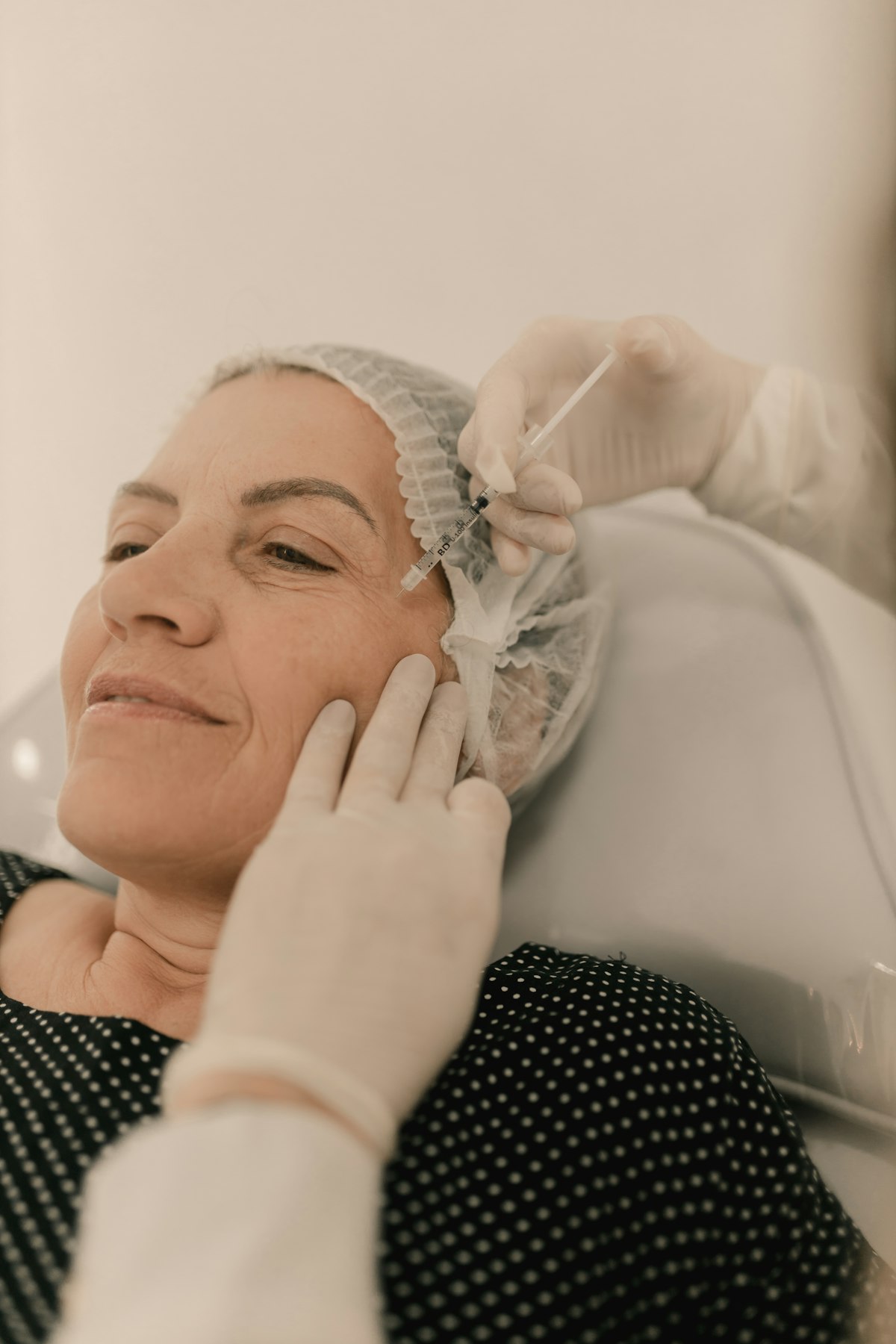
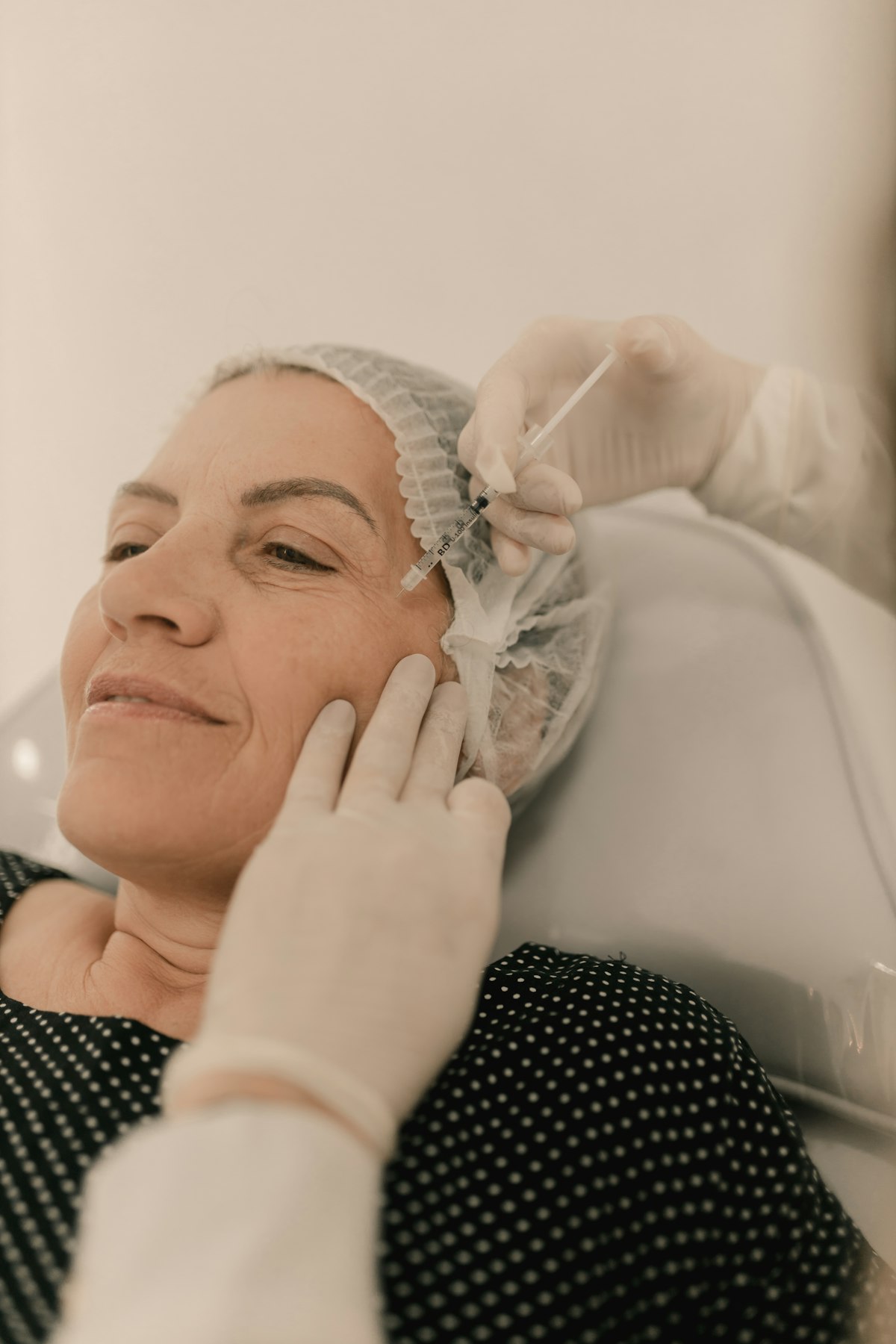
Botulinum toxin (anti-wrinkle) injections: soften frown lines and crow's feet, not sagging.
For clear jowls and loose neck skin, a face lift usually gives the biggest and longest-lasting change. For early changes, the less invasive options may be enough.
When to contact the clinic urgently after surgery
Rapidly increasing swelling or pain on one side of the face or neck.
Bleeding that does not stop with gentle pressure.
Fever, spreading redness, or discharge from a wound.
New weakness of the face, difficulty breathing or swallowing, or pain and swelling in a calf.
Questions worth asking at your consultation
Which type of lift do you recommend for my face, and why?
Where will the scars be, and how visible will they be?
How long will I need off work, and when can I attend a family function?
Would a non-surgical option give me a reasonable result?
What happens if I am not happy with the result?
Planning your consultation
Bring a list of your medicines and any reports, and tell the doctor about diabetes, blood pressure, bleeding problems and smoking. Read more about face lift, thread lift, skin tightening and brow lift at Sparsh, or How to choose a plastic surgeon in Nashik.
Dr. Sachin B. Wagh is a plastic surgeon with D.N.B. and M.Ch. in plastic surgery and more than 15 years in practice. At Sparsh Clinic, the first visit is a private consultation: examination, a discussion of your goals and options, and a direct recommendation.
To book, call Sparsh Plastic & Cosmetic Surgery Clinic on +91-253-2319098 or use the contact form at sparshnashik.com. The clinic is at Vaijayanti Apartments, opposite IMRT (KTHM College), Gangapur Road, Nashik 422002. OPD is Monday to Saturday, 8:00 am to 8:00 pm.
This guide is general information about face lift surgery. It is not a diagnosis or a promise of a result. Whether a face lift or another treatment suits you is decided after an examination and a discussion with the surgeon.