A "double chin" is a fullness under the chin that softens the line between the jaw and the neck. It is not only about weight. Genes, the shape of the jaw and chin, ageing skin and posture all play a part, and many slim people have one. Exercise and diet help with overall weight but cannot target fat under the chin. This guide explains what causes a double chin, the main treatment options, who each one suits, what recovery involves, and the questions to ask at a consultation.
The short answer
The right treatment depends on what makes up the fullness: fat, loose skin, a small or set-back chin, or a mix.
Chin and neck liposuction removes fat through tiny cuts and suits people with good skin tone. It is usually done under local anaesthesia, and most people return to work within about a week.
Fat-dissolving injections (deoxycholic acid) suit small amounts of fat and usually need two or more sessions, a few weeks apart.
Loose skin or neck bands may need a neck lift, and a weak chin may be better improved with chin surgery than with fat removal alone.
Swelling, bruising and numbness under the chin are common for a few weeks. Rare risks include an uneven smile from injury to a small nerve.
What causes a double chin
Fat under the chin (submental fat), which can run in families and is often resistant to diet and exercise.
Loose or thinner skin with age, and weakening of the thin neck muscle (platysma), which can cause neck bands.
Chin and jaw shape: a small or set-back chin makes the area under it look fuller.
Weight gain, and less often, conditions such as an underactive thyroid or swelling of the salivary glands.
A swelling under the jaw that is hard, painful, growing, or appeared suddenly is not a typical double chin and should be checked by a doctor.
Options at a glance
Best for. Chin and neck liposuction: Moderate fat with good skin tone. Fat-dissolving injections: Small to moderate fat, no loose skin. Neck lift: Loose skin, neck bands, often with fat.
Anaesthesia. Chin and neck liposuction: Usually local. Fat-dissolving injections: None or numbing cream. Neck lift: Local with sedation or general.
Sessions. Chin and neck liposuction: One. Fat-dissolving injections: Usually 2 or more, 4 to 6 weeks apart. Neck lift: One.
Downtime. Chin and neck liposuction: About a week of swelling and bruising. Fat-dissolving injections: A few days of swelling. Neck lift: About two weeks.
When results show. Chin and neck liposuction: Over about 3 months as swelling settles. Fat-dissolving injections: About 6 to 8 weeks after each session. Neck lift: Over a few months.
These are typical ranges. Your surgeon will advise what fits your face and neck.

Chin and neck liposuction
The surgeon marks the area with you sitting up. After local anaesthetic, a thin tube (cannula) is passed through one or more tiny cuts, usually under the chin and sometimes behind the earlobes, and the fat is gently removed. The procedure usually takes about an hour, and most people go home the same day.
You will wear a chin and neck compression strap, usually day and night at first and then for some weeks, as your surgeon advises.
Swelling and bruising are common for one to two weeks. The area may feel firm or numb for a few weeks.
Most people return to desk work within about a week. Strenuous exercise usually waits two to three weeks.
The final contour shows over about three months as swelling settles.
Liposuction works best when the skin is still elastic enough to shrink back. In people with a lot of loose skin, removing fat alone can leave the skin looser.
Fat-dissolving injections
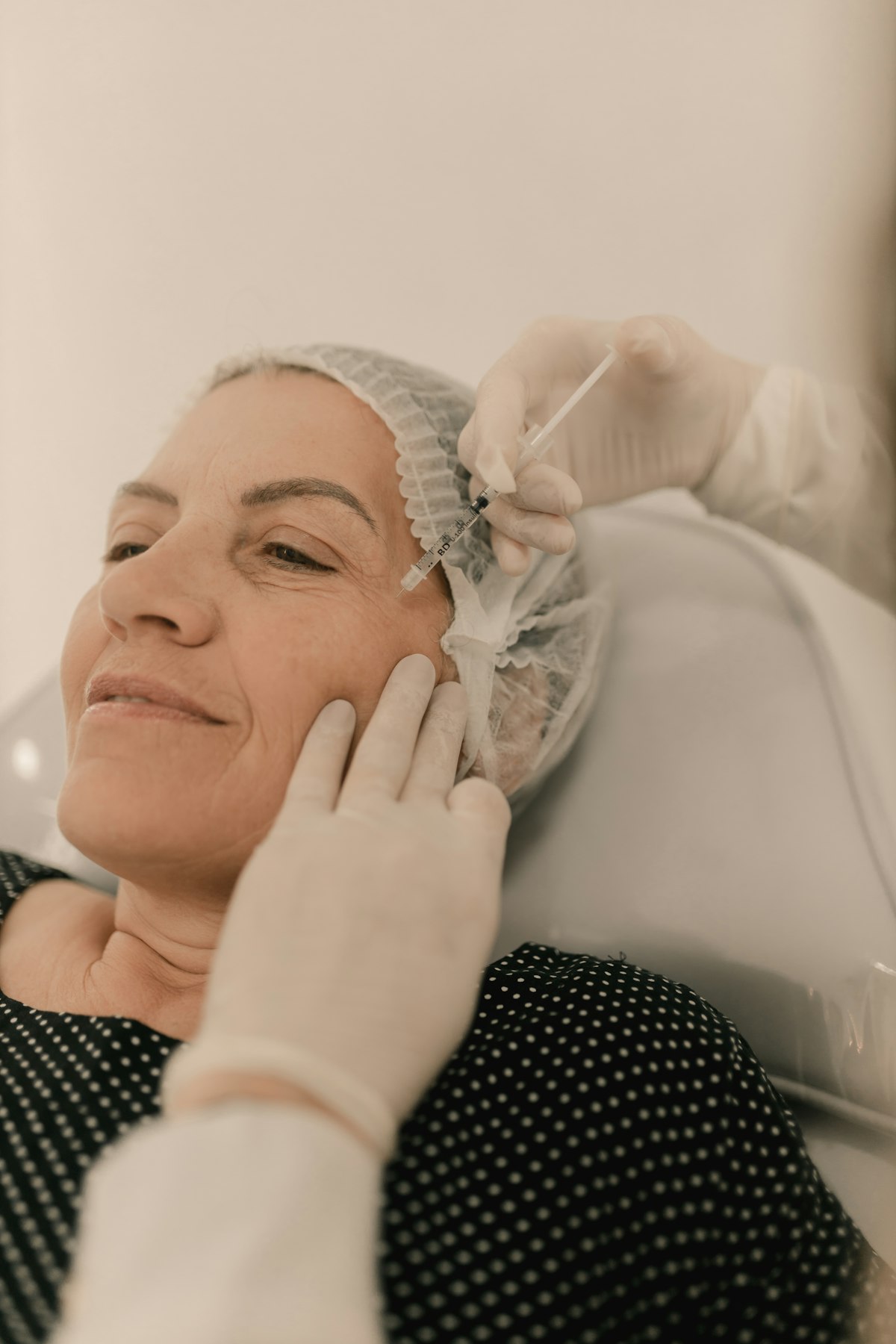
An approved form of deoxycholic acid is injected into the fat under the chin in a grid pattern, and the treated fat cells are broken down by the body over the following weeks. Most people need at least two treatments, spaced about four to six weeks apart.
Expect swelling, tenderness, numbness and small hard areas for a few days to weeks after each session.
There are no cuts, and most people return to normal activities the same or next day.
It is not suitable for loose skin, and it should be given only by a trained doctor who knows the anatomy of the neck.
Be careful with "fat-dissolving" or "lipolysis" injections from unregulated sellers or non-medical settings. Health regulators have warned about scarring, infection and painful lumps from unapproved products.
Other options
Neck lift: removes loose skin and tightens the neck muscle through cuts under the chin and around the ears. It suits people with loose skin or neck bands, often in their late 40s and older.
Chin surgery (genioplasty or a chin implant): brings a small chin forward, which can improve the jawline more than fat removal alone.
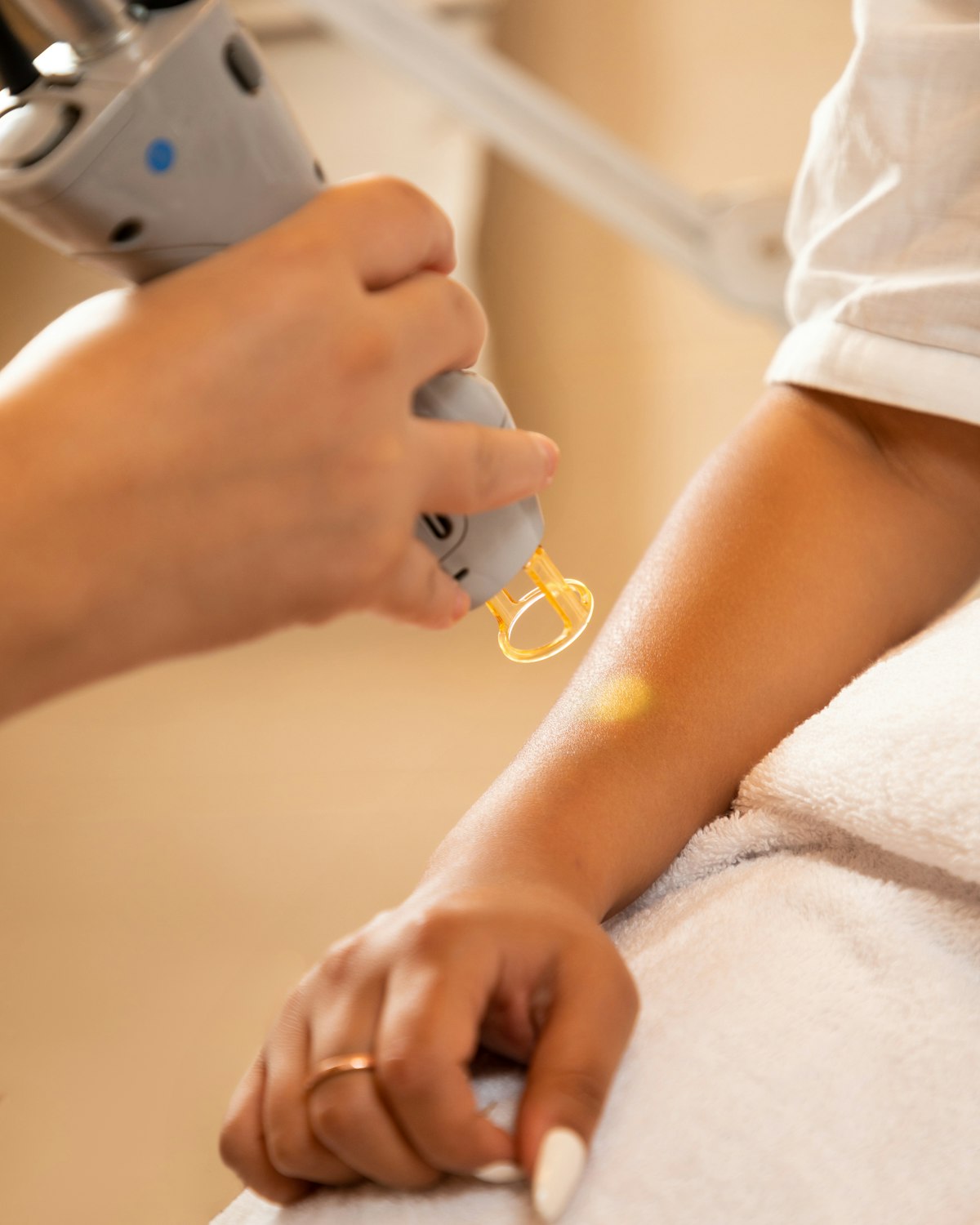
Skin tightening treatments: energy-based devices can give a mild improvement in skin quality but do not remove significant fat.
Who is a good candidate
Adults near a stable weight, in good general health, with fullness under the chin that has not changed with diet and exercise.
People with reasonable skin tone for liposuction or injections.
People with realistic expectations, who understand that results take time to show.
Tell the surgeon about blood-thinning medicines such as aspirin, diabetes, thyroid problems, previous neck surgery or injections, keloid scars, and difficulty swallowing. Treatment is not done during pregnancy or breastfeeding.
Risks to discuss
Common, temporary effects include swelling, bruising, pain, numbness and firmness under the chin. Less common risks include:
Uneven contour, small dents or lumps.
Injury to a small branch of the facial nerve, causing a temporarily uneven smile.
Infection or a collection of fluid or blood.
Loose skin after fat removal.
Rarely, difficulty swallowing after injections.
Contact the clinic the same day if you have fever, increasing pain, redness or swelling on one side, discharge from a cut, or difficulty swallowing or breathing.
Questions worth asking at your consultation
Is my double chin mainly fat, loose skin, chin shape, or a mix?
Which option suits me best, and why?
How many sessions or how much downtime should I plan for?
How long will I need to wear the compression strap?
What would you do if the result is uneven or the skin is loose afterwards?
Would a chin procedure or a neck lift give a better result in my case?
Planning your consultation
Bring a list of medicines and supplements, and details of any previous treatments on the face or neck. Photographs from a few years ago can help. Read more about liposuction, skin tightening and the face lift at Sparsh, or see How to choose a plastic surgeon in Nashik.
Dr. Sachin B. Wagh is a plastic surgeon with D.N.B. and M.Ch. in plastic surgery and more than 15 years in practice. At Sparsh Clinic, the first visit is a private consultation: examination, medical screening, photographs with your consent, and a direct recommendation.
To book, call Sparsh Plastic & Cosmetic Surgery Clinic on +91-253-2319098 or use the contact form at sparshnashik.com. The clinic is at Vaijayanti Apartments, opposite IMRT (KTHM College), Gangapur Road, Nashik 422002. OPD is Monday to Saturday, 8:00 am to 8:00 pm.
This guide is general information for people considering a consultation. It is not a diagnosis or a promise of a result. Recovery times and the number of sessions are typical ranges; your own plan is confirmed only after examination. Individual healing varies.