Many people come to a consultation in Nashik asking for liposuction when the problem is really loose skin, or asking for a tummy tuck when a smaller operation would do. The two are often mentioned together, but they solve different problems. This guide explains the difference in plain terms, so you can walk into a consultation knowing what to ask.
The short answer
Liposuction removes fat. It suits someone with good skin tone and stubborn fat pockets that have not shifted with diet and exercise.
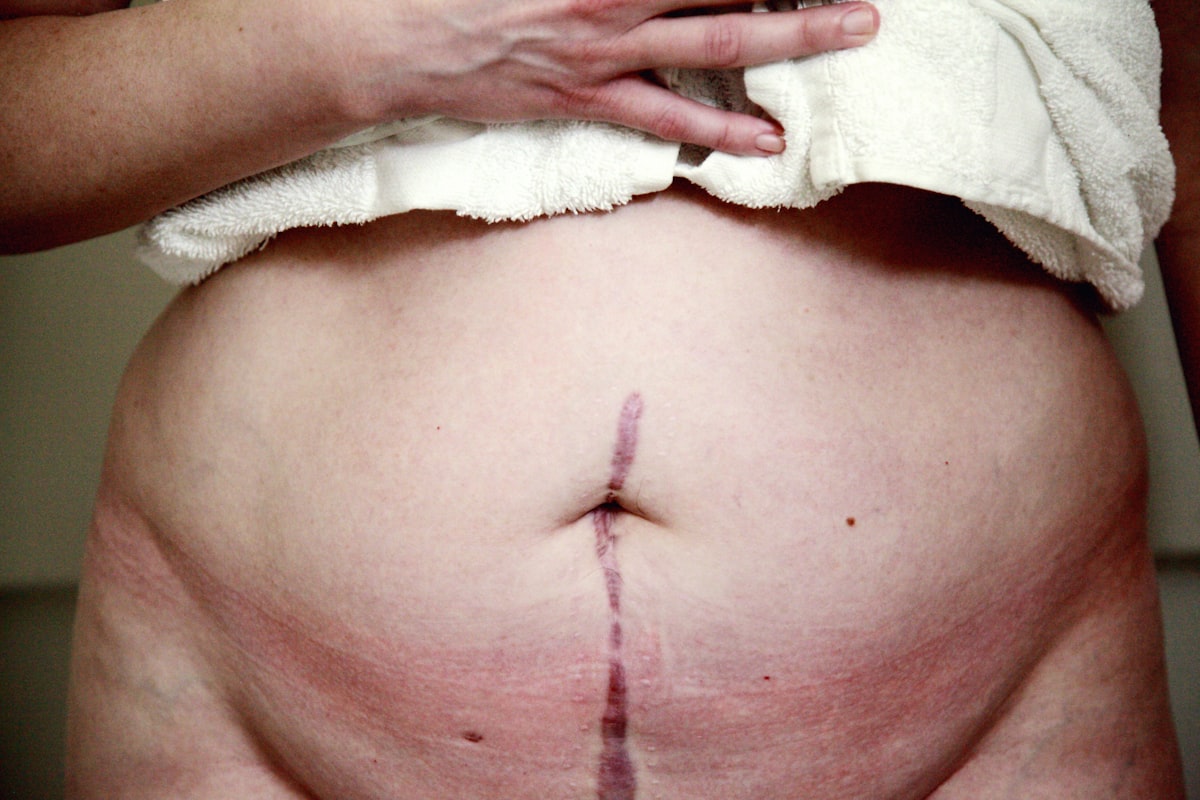
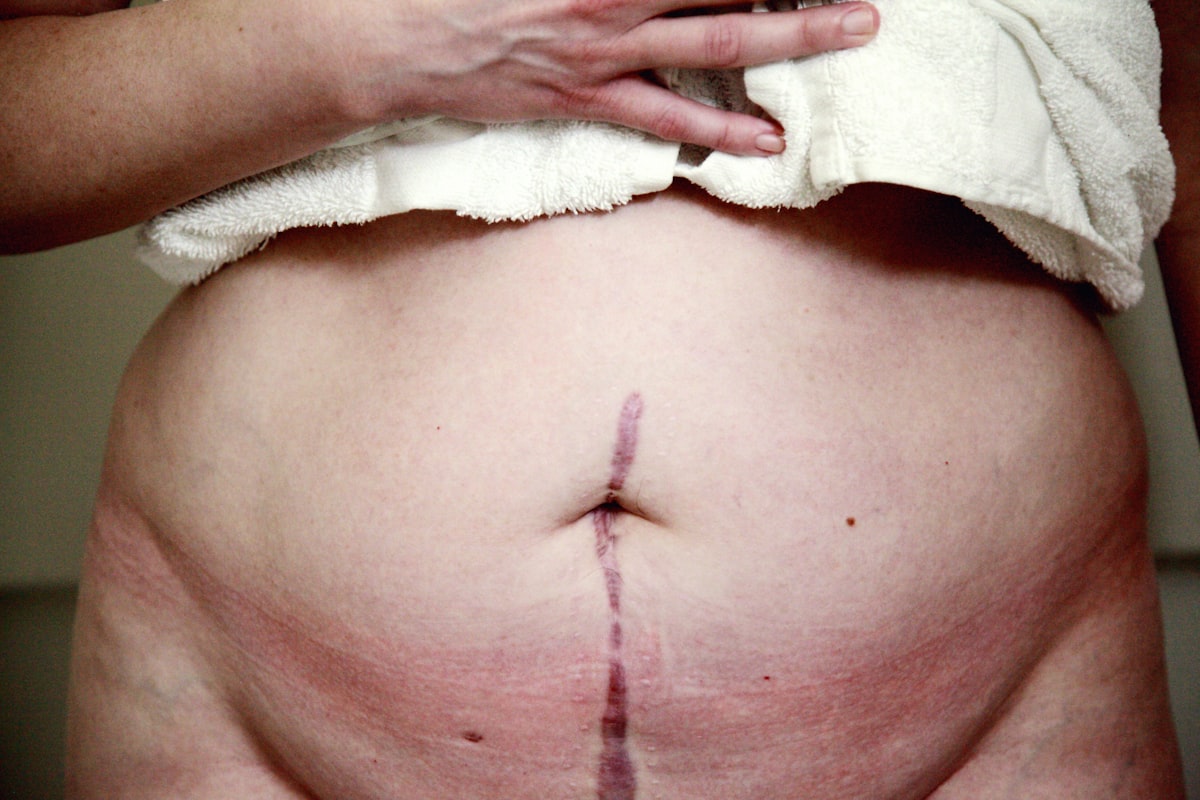
A tummy tuck removes loose skin and tightens the muscles. It suits someone whose skin hangs or folds, often after pregnancy or major weight loss, or whose tummy bulges because the muscles have separated.
Tummy tuck and abdominoplasty are the same operation. Abdominoplasty is the medical name.
What each operation does
What it removes: Liposuction: Fat, through small openings using a thin tube. Tummy tuck: Excess skin and fat from the lower abdomen.
Muscles: Liposuction: Not changed. Tummy tuck: Separated muscles can be stitched back together.
Loose skin: Liposuction: Not removed; relies on the skin shrinking back. Tummy tuck: Removed.
Stretch marks: Liposuction: Not removed. Tummy tuck: Those on the removed skin, usually below the belly button, go with it.
Scars: Liposuction: A few small marks, usually a few millimetres each. Tummy tuck: A longer scar low across the abdomen, usually hidden by underwear, plus a scar around the belly button.
Typical time off a desk job: Liposuction: A few days to about a week. Tummy tuck: Around two weeks, sometimes longer.
Heavy lifting and gym: Liposuction: Usually paused for a few weeks. Tummy tuck: Usually paused for about six weeks.
These are typical ranges. Your surgeon will give you a plan for your own body and job.

Signs liposuction may be enough
Your weight has been stable for some months and is close to where you want it.
Your skin is firm and springs back when you pinch it.
The concern is a pocket of fat, for example on the lower tummy, love handles, thighs or chin, rather than an apron of skin.
You have no bulge that gets worse when you tense your stomach.
Liposuction is a body-shaping procedure, not a weight-loss treatment. If the skin is already loose, removing the fat underneath can make it hang more, not less.
Signs a tummy tuck may be the better fit
There is a fold or apron of skin that sits over the lower tummy, especially when you sit down.
You have had children and the tummy still bulges even though you are fit. This is often a gap between the two straight tummy muscles, called diastasis recti, which exercise alone may not close.
You have lost a lot of weight and the skin has not shrunk back.
You want stretch marks below the belly button removed.
A tummy tuck is usually best planned after you have finished having children, because a later pregnancy can stretch the muscles and skin again. Your weight should also be stable.
When both are used together
Many body-contouring plans combine the two. A surgeon may perform a tummy tuck for the lower abdomen and use liposuction on the waist or flanks so the result looks natural from the side. There is also a smaller version, sometimes called a mini tummy tuck, for loose skin limited to below the belly button. Whether a combined or smaller operation is safe and sensible for you depends on your health, how much needs to be done, and how long the surgery would take.
Safety and recovery
Both are real operations. Before either one, the surgeon will ask about your health, medicines and smoking, and may order blood tests. Smoking slows wound healing and increases risk, so you will usually be asked to stop well before surgery.
After liposuction, you wear a compression garment for several weeks and swelling settles over a few months. After a tummy tuck, you may walk slightly bent at first, wear a binder, and have a drain for a short time. Walking early is encouraged to lower the risk of clots in the legs.
Possible risks include bleeding, infection, a fluid collection, uneven contour, numbness of the skin, slow wound healing and, rarely, clots. Your surgeon should go through these with you, along with what the scar will look like, before any date is set. For practical advice on garments and activity, read After liposuction: compression, activity, and swelling.
Questions worth asking at your consultation
Is my main problem fat, loose skin, separated muscles, or a mix?
Would liposuction alone leave loose skin behind?
Where would the tummy tuck scar sit, and how long would it be?
Do I need a full or a mini tummy tuck?
Should I wait until my weight is stable or until I have finished having children?
How much time off work should I plan for, and which follow-up visits are included?
Planning your consultation
Bring a clear idea of what bothers you most, any recent weight changes, your pregnancy history, and a list of medicines. Wear something easy to change out of so the surgeon can examine the area properly. The right answer may be liposuction, a tummy tuck, both, or no surgery yet.
Dr. Sachin B. Wagh is a plastic surgeon with D.N.B. and M.Ch. in plastic surgery and more than 15 years in practice. At Sparsh Clinic, the first visit is a private consultation: examination, medical screening, photographs with your consent, and a direct recommendation. Read more about liposuction and the tummy tuck at Sparsh.
To book, call Sparsh Plastic & Cosmetic Surgery Clinic on +91-253-2319098 or use the contact form at sparshnashik.com. The clinic is at Vaijayanti Apartments, opposite IMRT (KTHM College), Gangapur Road, Nashik 422002. OPD is Monday to Saturday, 8:00 am to 8:00 pm.
This guide is general information for people considering a consultation. It is not a diagnosis or a promise of a result. Recovery times are typical ranges; your own plan is confirmed only after examination. Individual healing varies.